Cartagena beyond the walls: the history that lives on in its streets
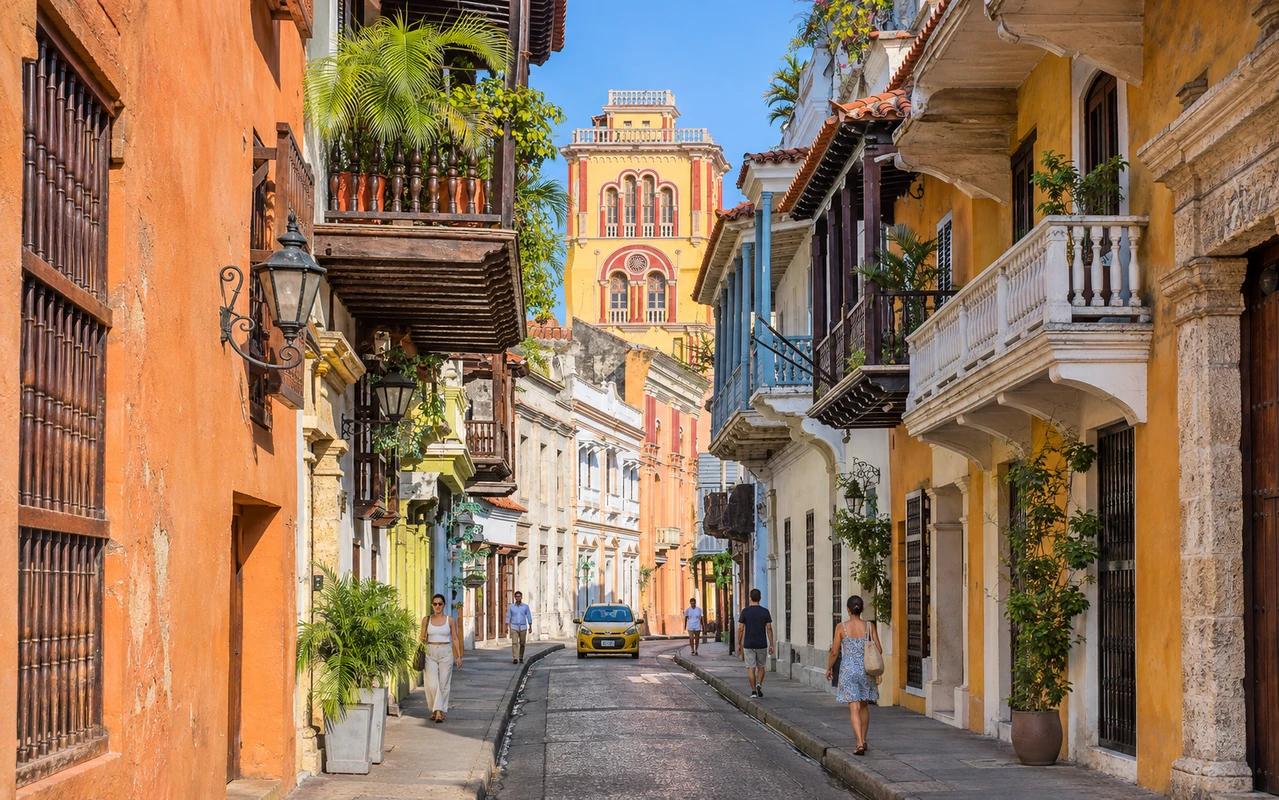
But there is something the photo doesn’t reveal. Who lived within those walls? What took place on the streets we walk today? Why do we still call it "the Heroic City"? To find some answers, one must look back to the time of its independence. And in that story, Getsemaní has much to tell.
Getsemaní, before the photos
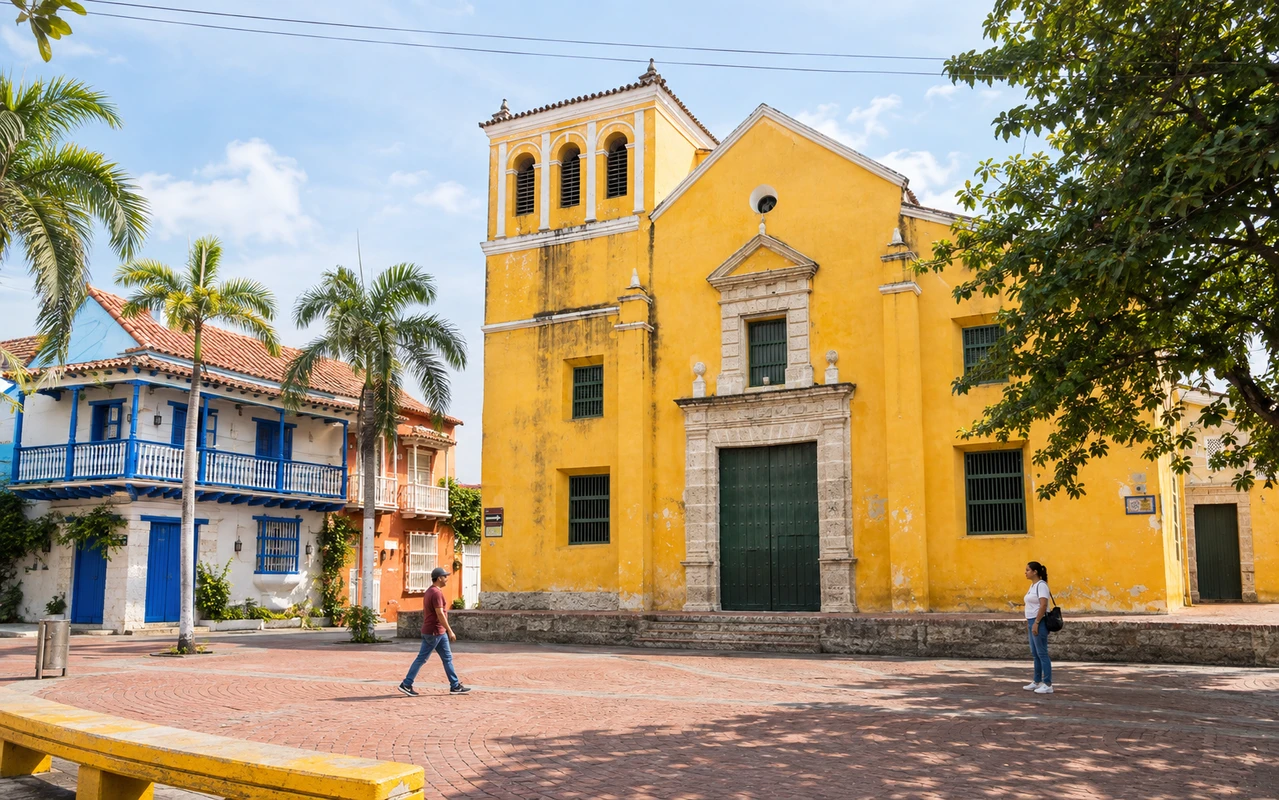
Today, many people are drawn to Getsemaní by its colors and its streets. Learning about its role in the struggle for independence provides yet another reason to take notice. Pedro Romero, an artisan who worked for the Naval Arsenal, lived there and became one of the leaders of the popular movement. Alongside him were other artisans, militia members, and Black and mulatto residents—all of whom played a decisive role in the break from Spain. On November 11, 1811, the "Lancers of Getsemaní," led by Romero, pressured the Governing Junta to declare absolute independence. That day, Cartagena and its province declared themselves free from the Spanish Crown. It is a date many of us remember from our school days, though the names of those who drove that decision may be less familiar to us. That is why it is worth taking a closer look at them. Among these key figures were individuals accustomed to the labor of workshops and the Arsenal—people with experience in organizing work crews and with aspirations for recognition within the society of their time. Knowing this changes one’s perspective while exploring the neighborhood. As we walk through Getsemaní, we can imagine the debates, the tension, and the uncertainty that surrounded that decision. At the time, no one yet knew what the outcome would be.
Why do we call it "the heroic one"?
The story did not end with the declaration of independence. Four years later, in 1815, Spanish forces under Pablo Morillo laid siege to Cartagena. The blockade brought about hunger, disease, and a massive loss of life. The city’s resistance during that episode became forever linked to the title "La Heroica" (The Heroic City). It is a term we use so often that we sometimes forget the history behind it. Thinking about the families who endured the siege makes the narrative feel much more immediate. There were people trying to secure food, looking after their loved ones, and facing days when no one could be certain what would happen next. With this context in mind, looking at the city walls evokes a different impression. We can admire their construction while simultaneously reflecting on those who lived within them during those months. History becomes part of the experience without the need to memorize a list of names and dates. It is enough simply to understand what was at stake for the people who were there.
A city that still belongs to someone
Once you learn about that past, you feel compelled to pay closer attention to the present. In Cartagena, memory also lives on through the trades, traditional knowledge, and cultural practices of its inhabitants. Safeguarding this heritage means keeping in mind the people who keep it alive. It begins with something as simple as listening. A conversation can help us understand how a street has changed, or what a neighborhood means to those who have lived there. It can also remind us that behind a façade we might want to photograph, there lies a home, a family, and a daily life that deserves respect. Approaching Cartagena in this way leaves room for surprise. We might arrive drawn by a specific image, only to find ourselves intrigued by a name we hadn’t known, an event we had all but forgotten, or the story of someone who made us stop in our tracks. The city walls will always remain one of its most recognizable features. Yet, once you’ve learned a bit of their history, seeing them again might also bring to mind Pedro Romero, the Getsemaní neighborhood, and all those who made these streets their own place in the world.