Everything You Need to Know About the Salar de Uyuni - A Marvelous Natural Mirror
The Salar de Uyuni, located in southwestern Bolivia, is the largest salt desert in the world and one of the most impressive natural wonders on the planet. This vast white terrain, spanning over 10,000 square kilometers, is not only a place of indescribable beauty, but also a destination steeped in history, culture, and unique natural phenomena. In this blog, we present everything you need to know before embarking on an adventure to this incredible place.
Rainy Season - The Mirror of the Sky
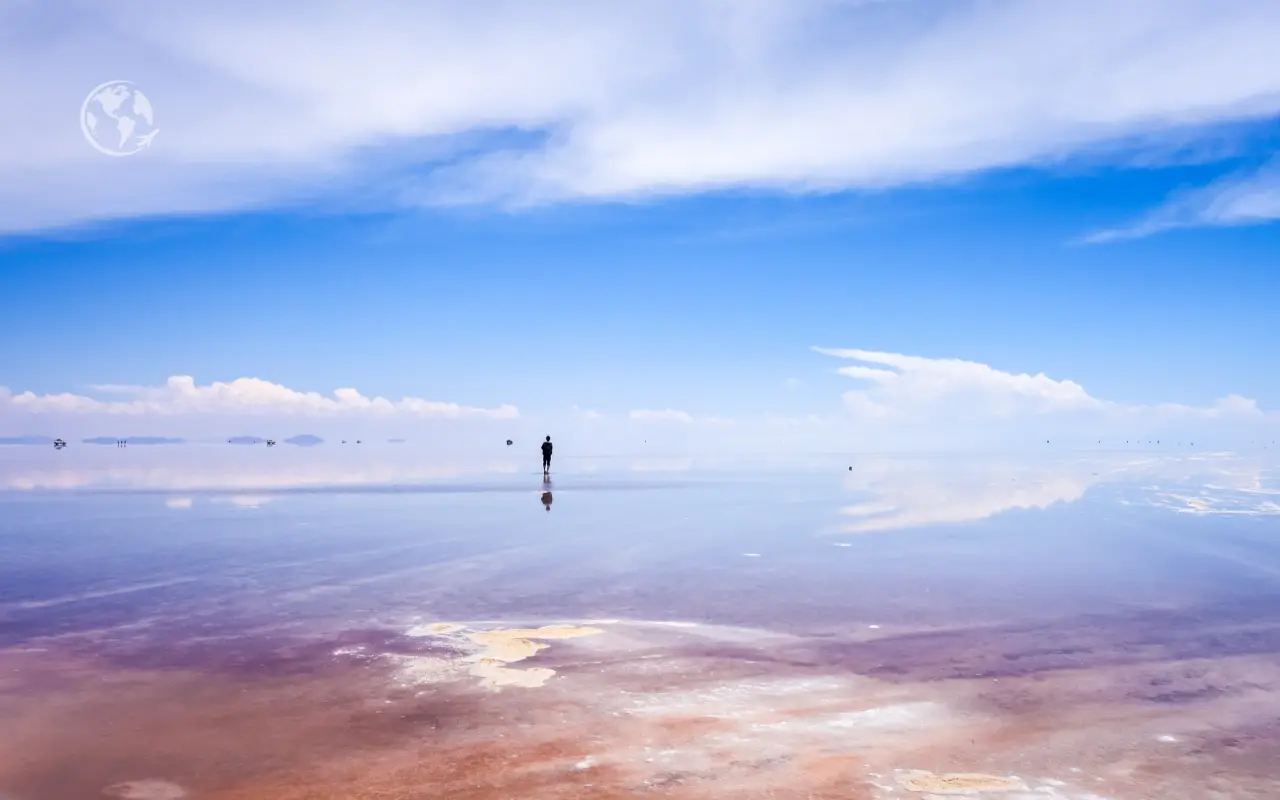
One of the most impressive features of the Salar de Uyuni occurs during the rainy season, which runs from December to April. During this period, a thin layer of water covers the surface of the salt flat, transforming it into a natural mirror that reflects the sky so perfectly that it is difficult to distinguish where the ground ends and the sky begins. This phenomenon has turned the salt flat into one of the most photographed places in the world, offering a visual experience that defies perception and is practically unique on the planet. If you have the opportunity to visit during this time, be prepared to witness one of the most amazing natural spectacles.
Incahuasi Island - An Oasis in the Sea of Salt
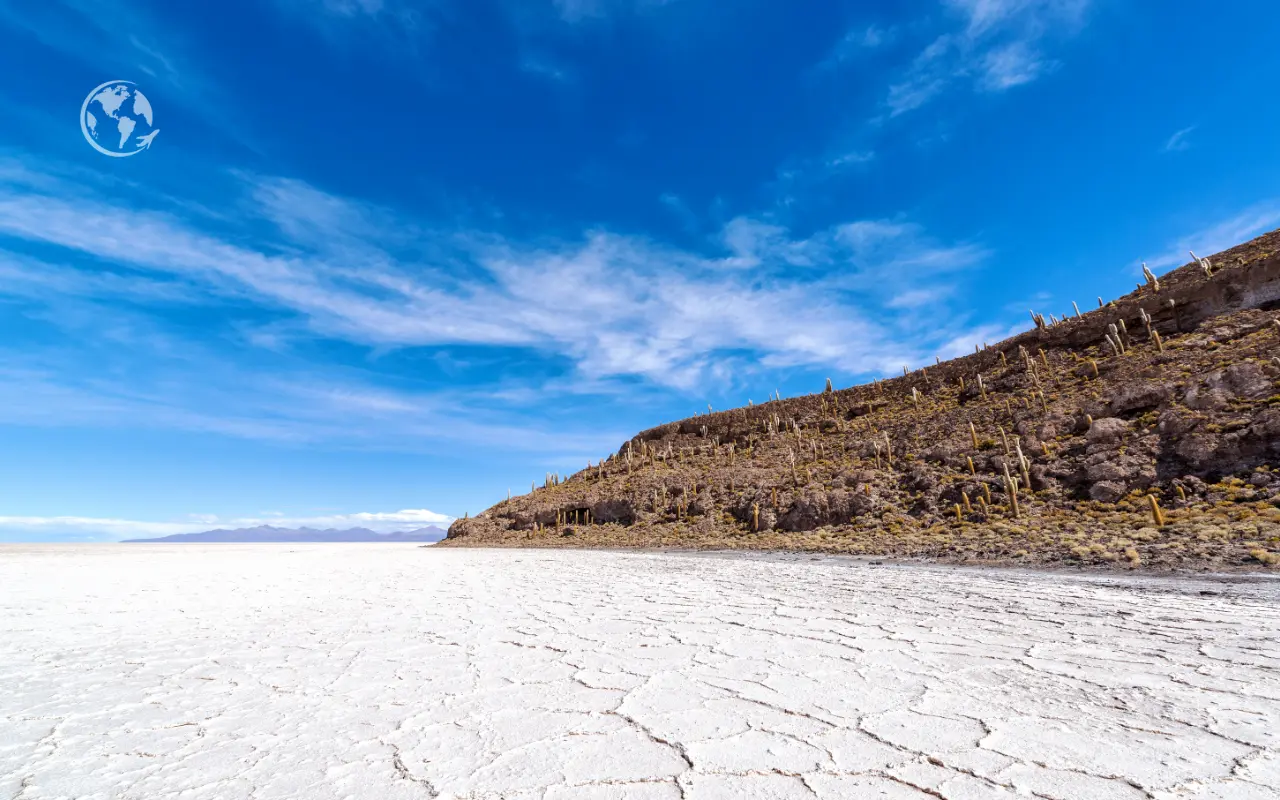
In the middle of the Salar de Uyuni stands Incahuasi Island, an elevated terrain that stands out in the vast white sea. This island is covered with giant cacti that can reach up to 12 meters in height and is home to flora and fauna that have managed to adapt to the extreme conditions of the salt flat. From the top of Incahuasi, you can enjoy a stunning panoramic view of the salt flat, with its white immensity stretching as far as the eye can see. The island is also an ideal resting place during excursions, where visitors can explore its trails and appreciate the tranquility of this very special environment.
Tips for Travelers - Preparation and Precautions
Visiting the Salar de Uyuni can be a transformative experience, but it requires some preparation. The climate in the region can be extreme, with hot days and very cold nights, so it is crucial to wear clothing suitable for both extremes. The sun can be very strong due to the altitude and the reflection of light off the salt, so sunscreen, sunglasses and a hat are a must. Additionally, the altitude can affect some visitors, so it is advisable to acclimatize in lower altitude locations before visiting the salt flat and stay well hydrated. Finally, if you plan to visit during the rainy season, be sure to wear waterproof footwear and be prepared for the possibility of flooded roads.
Geological Formation - The Legacy of the Ancient Lakes
The Salar de Uyuni was formed approximately 40,000 years ago, as a result of the evaporation of prehistoric lakes that once covered the region. Lake Minchin, one of the largest lakes, evaporated leaving behind huge quantities of minerals that, over time, consolidated into the vast salt plain we see today. This formation is not only impressive for its size, but also for the purity and uniformity of the salt, which in some places can reach up to 10 meters in thickness. The geological history of the salt flat makes it a place of great interest for both scientists and curious travelers.
Cultural and Economic Importance: Beyond Natural Beauty
Although it is known primarily for its natural beauty, the Salar de Uyuni also has great cultural and economic importance for the region. The salt flat contains huge reserves of lithium, a mineral essential in the production of rechargeable batteries, and Bolivia has one of the largest reserves of this mineral in the world. In addition, the extraction of salt and other minerals provides sustenance to local communities. Culturally, the salt flat has been an integral part of the traditions and practices of the indigenous peoples who inhabit the region, who have lived with this environment for centuries, integrating the salt flat into their daily lives and beliefs.
conclusión
The Salar de Uyuni is much more than just a tourist destination; it is a natural wonder that offers its visitors a once-in-a-lifetime experience. From its impressive geological history to the visual spectacles it offers during the rainy season, to its cultural and economic importance, the salt flat is a place that should be explored with respect and admiration. Properly preparing for your visit will allow you to fully enjoy everything this incredible place has to offer, ensuring that your trip is as safe as it is memorable.