Let's Talk About the Three Most Important Cultures in America - Maya, Aztec, and Inca
The Maya, Aztec, and Inca cultures are three of the most influential and advanced civilizations that flourished on the American continent before the arrival of the Europeans. Each of them developed complex systems of government, religion, architecture, and knowledge that left a lasting legacy in history. In this blog, we will explore the most outstanding characteristics of these three cultures, from their achievements in astronomy and architecture to their social and religious structures.
The Aztecs- Builders of a Powerful Empire
The Aztec civilization, also known as the Mexica, emerged in the central highlands of Mexico and established its capital in Tenochtitlán, in the place where Mexico City is located today. The Aztecs were great warriors and conquerors, and under their rule, Tenochtitlán became one of the largest and most advanced cities in the pre-Hispanic world. The city was connected by a series of causeways and canals, and its ceremonial center, which included the Great Temple, was an impressive architectural complex dedicated to the Aztec gods. The Aztecs also developed a complex tax system that allowed them to accumulate wealth and maintain tight control over conquered regions. Their ability to rule and expand their empire makes them one of the most powerful and influential cultures in the Americas.
The Incas - Architects of the Andean Empire
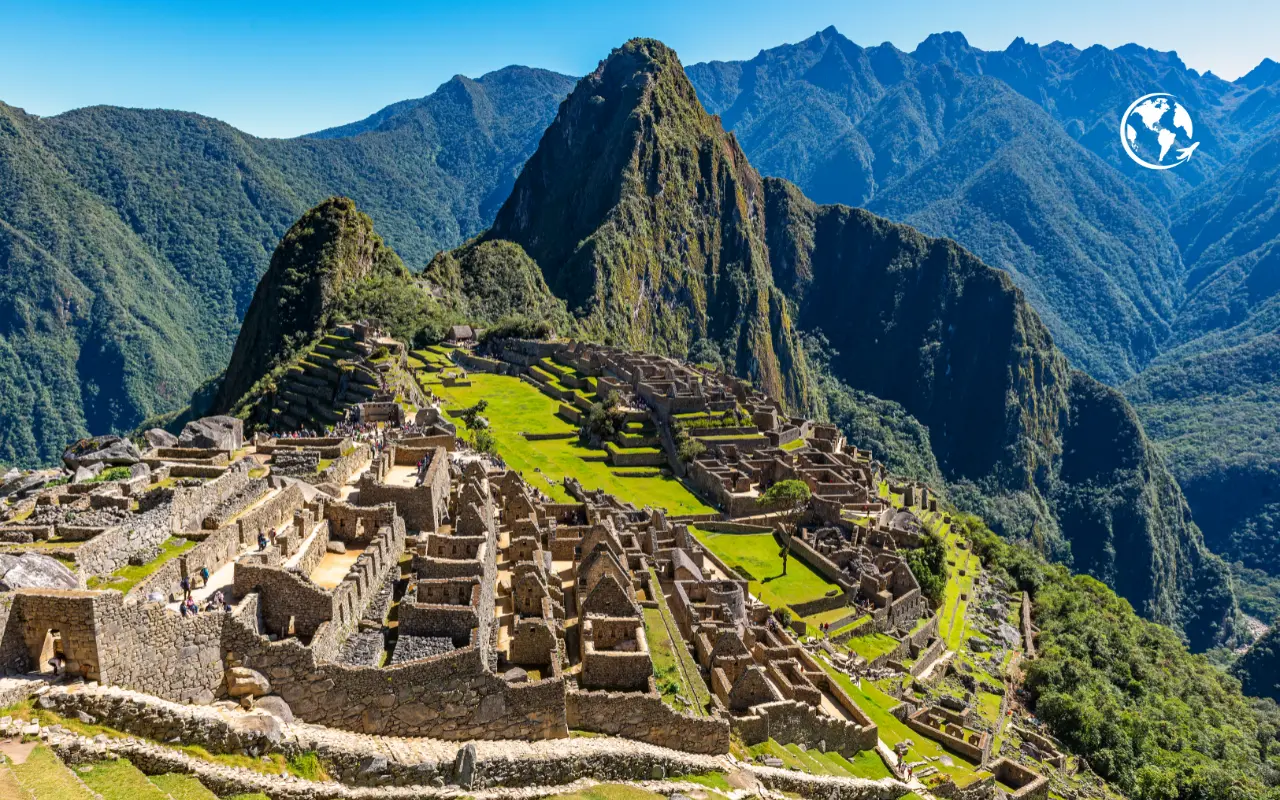
The Inca Empire, with its capital in Cusco, stretched across the Andes mountain range, encompassing territories that today form part of Peru, Ecuador, Bolivia, Chile and Argentina. The Incas were masters of architecture and engineering, building some of the most impressive structures of antiquity. Machu Picchu, the most famous Inca citadel, is an example of their ability to build in difficult mountainous terrain, using advanced masonry techniques that did not require mortar. In addition, the Incas developed an extensive network of roads, known as the Qhapaq Ñan, that connected their vast empire and facilitated administration and trade. Their society was organized around the ayllu, a community that shared land and resources, which allowed them to maintain an economic and social balance in their vast territory.
Cultural Legacy: Influence on the Modern World
The legacy of the Mayan, Aztec, and Incan cultures lives on in the modern world, not only in the countries where these civilizations flourished, but also across the planet. Their influence can be seen in the architecture, agriculture, language, and traditions that still persist in indigenous communities across Latin America. In addition, their scientific achievements, such as Mayan astronomical knowledge and Incan agricultural techniques, continue to be studied and admired for their innovation and efficiency. Religious festivals and rituals have also endured, blending with Christian traditions introduced by Europeans, creating a rich and diverse syncretic culture. The study and preservation of the archaeological sites and cultural heritage of these civilizations are fundamental to understanding the history of the Americas and the contribution of these cultures to human development.
The Maya - Masters of Astronomy and Mathematics
The Maya civilization, which developed in Mesoamerica, encompassing regions that today belong to Mexico, Guatemala, Belize, Honduras, and El Salvador, is famous for its advanced knowledge in astronomy and mathematics. The Maya were able to build astronomical observatories and develop an extremely precise calendar, known as the Mayan Calendar. This calendar, based on solar and lunar cycles, was used not only for agricultural activities, but also for religious ceremonies and important events. In addition, the Mayans invented the concept of the number zero and developed a vigesimal number system, which allowed them to perform complex mathematical calculations. Their achievements in these areas positioned them as one of the most advanced scientific civilizations of the time.
Architectural Achievements: Pyramids, Temples, and Citadels
The architecture of these cultures is a testament to their advanced engineering and construction skills. The Mayans built impressive cities such as Tikal, Palenque, and Chichén Itzá, which feature stepped pyramids and temples decorated with hieroglyphic inscriptions. The Pyramid of Kukulkan at Chichén Itzá is especially famous for its design, which is aligned with solar events and serves as a three-dimensional calendar. The Aztecs, meanwhile, built the Templo Mayor at the heart of Tenochtitlán, an impressive double temple dedicated to Huitzilopochtli and Tlaloc, the god of rain. The Incas, known for their precision masonry, built Machu Picchu and Sacsayhuamán, which are not only engineering masterpieces but also examples of how they integrated their architecture into the natural environment, using stones cut with such precision that a sheet of paper cannot be inserted between them.
Religion and Worldview - The Gods and the Supernatural World
The three cultures shared a deep connection with the divine and a worldview that integrated the natural world with the supernatural. The Mayans believed in a pantheon of gods that represented natural forces, and their rituals included human sacrifices to ensure the continuity of the world. The Aztecs also practiced human sacrifices on a large scale, particularly to honor Huitzilopochtli, the god of the sun and war, believing that the blood of the sacrifices was necessary to maintain the balance of the universe. On the other hand, the Incas venerated Inti, the god of the sun, and considered their emperors to be direct descendants of the gods. Inca religious rituals were less bloody than those of the Aztecs, but they also included complex offerings and ceremonies to honor the deities and ensure the prosperity of the empire. Religion was a central part of daily life in these cultures, and their temples and ceremonies reflect the importance of the sacred in their worldview.
Writing and Communication Systems - Hieroglyphics and Quipus
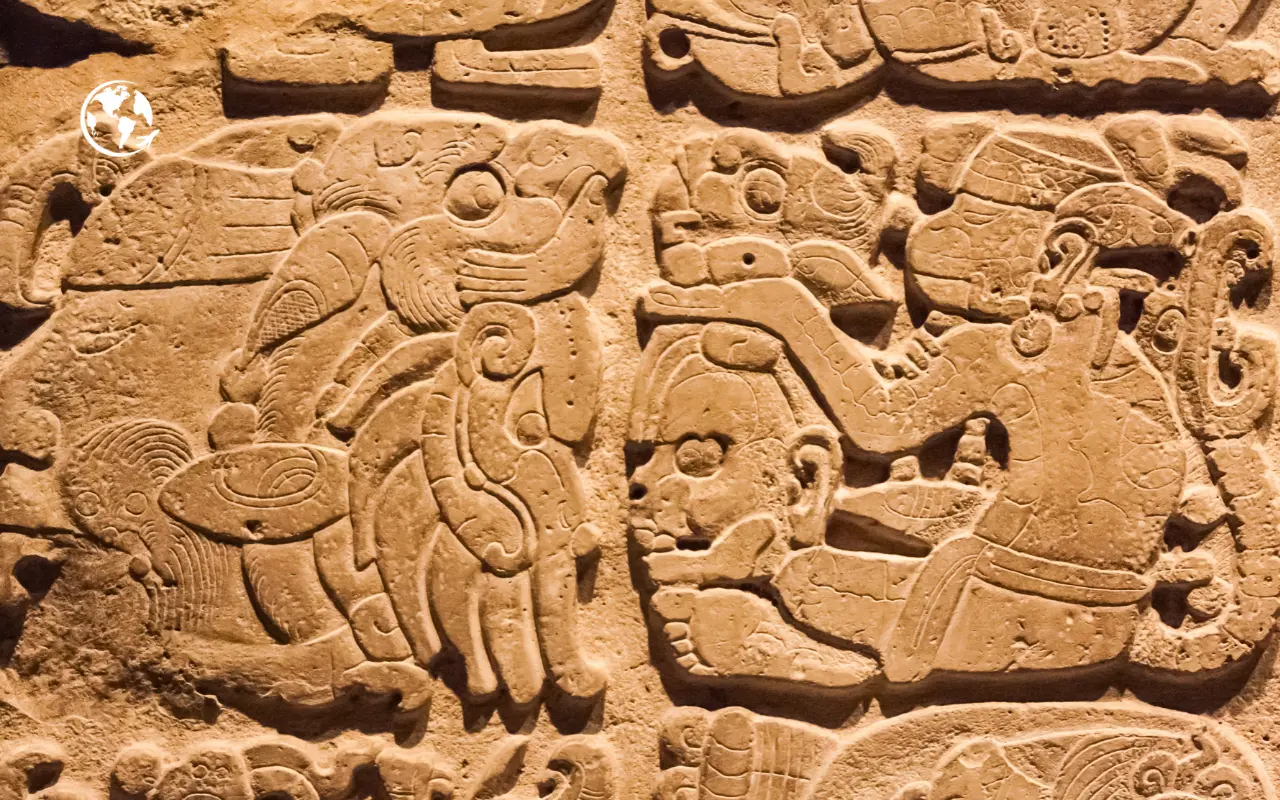
All three cultures developed unique writing and communication systems that allowed them to record information and manage their territories. The Maya are especially known for their hieroglyphic writing, which is one of the most complex writing systems in the New World. This system combined logograms and phonetic symbols, allowing the Maya to write about their history, religion, and science in codices and stone monuments. The Aztecs used a pictographic script, where symbols represented words or ideas, which was fundamental to the administration of their empire and the documentation of tributes and genealogies. The Incas, although they did not develop a conventional writing system, used quipus, a system of strings and knots that served to record numerical information, such as censuses, inventories, and tributes. These systems reflect the administrative and cultural sophistication of these civilizations.
conclusión
The Mayan, Aztec, and Incan civilizations were three of the most advanced and powerful cultures in pre-Columbian America. Each of them left a profound legacy in terms of knowledge, architecture, religion and social organization. Through their achievements, these cultures have significantly influenced history and remain a source of pride and inspiration today. By exploring their stories and understanding their achievements, we not only honor their memory, but also come closer to a better understanding of the rich cultural diversity that has shaped the world as we know it today.